Dog SVG Design, Love Rescued Me
First Impressions: Warm, Sincere, and Ready for Stitching
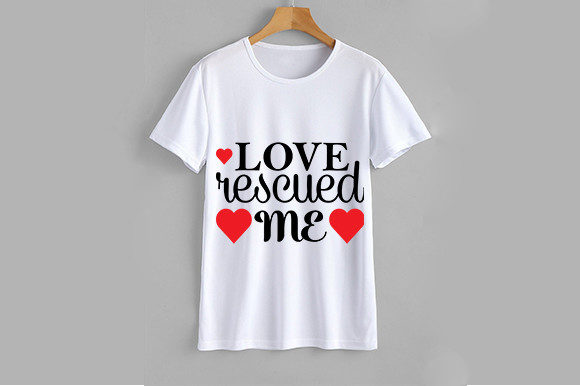
When I opened the Dog Svg Design, Love Rescued Me files, what struck me first wasn’t technical precision—it was emotional resonance. The composition balances a gentle silhouette of a dog (a soft, approachable profile—neither overly stylized nor cartoonish) with clean, lowercase lettering that curves just enough to feel intentional, not forced. It’s not shouting; it’s leaning in. That matters deeply when you’re stitching something meant to live on a baby onesie, a linen tea towel, or a canvas tote carried daily. This isn’t a “look at my dog” design—it’s a quiet affirmation, one that feels personal without being private. For embroidery designers and small shop owners, that tone translates directly into customer connection.
A Real-World Test: Embroidering It on a Linen-Cotton Tote Bag
Last week, I prepped Dog Svg Design, Love Rescued Me for a custom order: a medium-weight linen-cotton blend tote for a local rescue volunteer’s fundraiser. I used the SVG file to digitize a 4.2" wide version (hoop size: 5x7"), chose matte cotton thread in warm charcoal and oatmeal, and paired tear-away stabilizer with light cut-away backing for structure. The result? Crisp satin-stitched dog outline, legible lettering without fill-stitch bleed, and zero puckering—even across the fabric’s subtle slub texture. Customers didn’t just recognize the sentiment—they paused. Touched the stitchwork. Asked where to find more like it. That’s the quiet power of this design: it invites interaction, not just observation.
Where It Shines—and Where It Needs Thoughtful Handling
Dog Svg Design, Love Rescued Me excels on stable, mid-weight fabrics: sweatshirt fleece, structured cotton tees, twill aprons, and pillow covers. Its open layout (moderate negative space between dog and text) prevents overcrowding in fill-stitch zones, and the letterforms avoid thin serifs or tight counter spaces—critical for readability at 3–4" widths. As a machine embroidery design, it adapts well to both simple running-stitch outlines (for minimalist patches) and layered satin-fill versions (for boutique sweatshirt embroidery).
But be mindful: the lowercase “e” and “o” in “rescued me” sit close to the dog’s ear curve. On stretchy knits or tightly woven dark fabrics, those small interior shapes may lose definition without proper stabilizer choice and moderate stitch density. Likewise, avoid scaling it below 2.5" for caps or baby hats—the text clarity starts to soften. And while the design reads beautifully on light backgrounds, test contrast carefully on navy or charcoal garments: the included PNG and JPG previews help, but nothing replaces stitching a sample on your actual fabric.
Design Assets That Support Real Craft Business Needs
The ZIP file delivers practical versatility: EPS for vector editing, SVG for cutting machines or quick digital prep, PNG/JPG for mockups and listings. As an Etsy seller or craft fair vendor, that means you can generate clean printable mockups for your shop, tweak spacing for different garment placements (left chest vs. back panel), and even repurpose the dog silhouette alone as an applique design. Just remember—this is a graphics file, not a pre-digitized embroidery file. If you’re new to digitizing, factor in time (or budget) to convert it properly for your machine. And always confirm licensing terms before selling finished products or bundling the files digitally.
What It Adds to Your Finished Product—Beyond Aesthetics
Stitching Dog Svg Design, Love Rescued Me doesn’t just add decoration—it adds intention. On personalized gifts (like a holiday embroidered blanket for a pet-loving friend), it signals care in curation, not just execution. For small shop merchandise, it reinforces brand warmth without sacrificing polish. I’ve seen customers choose this design over flashier alternatives because it feels *honest*—and honesty reads in thread count, alignment, and spacing. When the satin stitch wraps the dog’s ear cleanly, when the “v” in “love” holds its shape against fabric movement, that’s where handmade product credibility deepens. It builds trust—not through loud claims, but through consistent, respectful craftsmanship.
Practical Notes Every Embroidery Designer Should Run Through
- Test first—on scrap fabric matching your project’s weight, weave, and color.
- Check thread color contrast before committing to dark-on-dark or light-on-light combos.
- Review stitch density—especially in curved letter areas—to prevent fabric distortion.
- Confirm hoop size compatibility with your intended scale; don’t force a 5" design into a 4x4 hoop.
- Inspect small details at 200% zoom in your embroidery software—look for stray nodes or overlapping paths.
- Mock it up in black and white to assess tonal balance before choosing thread palettes.
- Use appropriate stabilizer: cut-away for knits, tear-away for stable wovens, fusible for lightweight linens.
- Verify commercial use rights before listing finished items or digital embroidery files for sale.
Final Thought: A Design That Earns Its Place
Dog Svg Design, Love Rescued Me won’t dominate a trade show booth—but it will linger in a customer’s memory after they’ve held the embroidered tote, folded the tea towel, or tucked the baby blanket into a gift box. It’s a reminder that the strongest embroidery files aren’t the most complex, but the most considered: balanced in scale, respectful of fabric behavior, and emotionally grounded. Whether you’re building a craft business, refreshing your Etsy shop, or stitching heartfelt gifts, this design earns its spot—not as filler, but as finish.