Sorry My Dog Said No
The First Impression
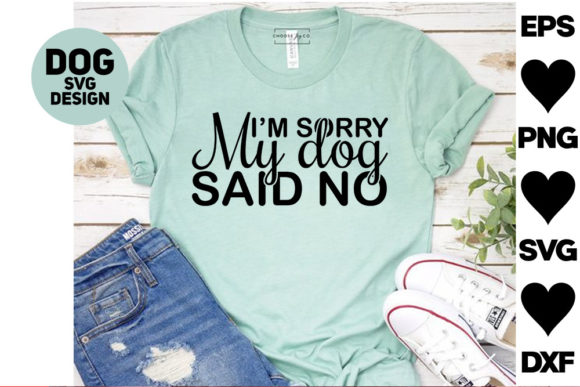
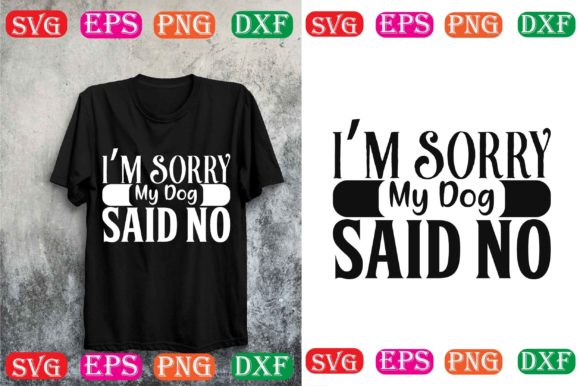
When I first saw Sorry My Dog Said No, it immediately struck me as a design that balances humor with charm. The layout is clean and uncluttered, making it easy to read even from a distance. The text is bold and stylized, giving it a modern, playful vibe that’s perfect for casual wear or personalized gifts. The overall mood is light-hearted and relatable, which makes it an excellent choice for a wide range of embroidery projects.
Design Layout and Visual Personality
Sorry My Dog Said No is designed with simplicity in mind. The typography is clear and well-spaced, ensuring readability without overwhelming the viewer. The use of negative space adds to its visual appeal, allowing the message to stand out. This design feels like something you’d see on a T-shirt at a local boutique or as part of a custom apparel line. It has the potential to be both a standalone piece and a versatile asset for a brand looking to add a touch of humor to their product lineup.
Real-Life Use Cases
As someone who regularly works with embroidery designs, I can say that Sorry My Dog Said No has several practical applications. It would look great on a sweatshirt, tote bag, or cap. Its playful nature also makes it suitable for holiday gifts, personalized products, and custom apparel. For small businesses or Etsy sellers, this design could be a valuable addition to their catalog, especially for those targeting a younger, more whimsical audience.
I’ve used similar designs for applique and embroidered patches, and this one fits well in that category. It’s not too intricate, so it won’t require excessive time or resources to stitch. That said, it still maintains enough detail to be visually engaging, making it a good balance between simplicity and quality.
Embroidery Performance Considerations
While Sorry My Dog Said No is a solid design, there are some factors to consider before using it in real projects. For instance, the text is relatively large, which means it might not translate well to smaller hoop sizes. If you’re working with a hoop size that’s too small, the design may appear cramped or lose its clarity. Always test the design on scrap fabric first to ensure it looks good at scale.
Another thing to keep in mind is the stitch density. The design uses a mix of satin stitch and running stitch, which creates a nice contrast between filled areas and outlined text. However, if the fabric is thin or textured, the stitches might not lay flat, leading to a less professional finish. In such cases, using the right stabilizer is crucial to maintain the design’s integrity.
Additionally, the design includes some decorative elements, such as the dog illustration. While these add character, they can also be tricky to stitch accurately, especially on curved surfaces like caps or pillow covers. If you're planning to use this design on such items, make sure the file is optimized for those specific applications.
Where to Use Carefully
Sorry My Dog Said No isn’t suited for every project. It should be used carefully on dark fabrics where the contrast may not be strong enough to make the text pop. Similarly, if you're working with stretchy fabric or layered garments, the design might not hold up well over time due to the potential for shifting or puckering.
The design also includes some tiny lettering and decorative accents, which can be difficult to stitch clearly. If you're planning to sell finished products or digital files, always check the licensing terms to ensure you have the right to do so. It's also a good idea to test the design in black and white mockups to see how it performs under different lighting conditions.
Visual Appeal and Product Value
One of the biggest advantages of Sorry My Dog Said No is its ability to enhance the visual appeal of any project. Whether it's a custom apparel item or a personalized gift, the design adds a unique touch that stands out. It’s also a great option for handmade products or small shop merchandise because it doesn’t require a lot of time or skill to execute effectively.
From a customer perspective, the design is likely to be well-received. Its humor and simplicity make it approachable, and the clear, readable text ensures that the message is communicated effectively. This can help build trust and reinforce brand consistency, especially for craft businesses or Etsy sellers looking to create a cohesive product line.
Practical Designer Notes
If you're considering using Sorry My Dog Said No for your next project, here are a few tips to keep in mind:
- Test the design on scrap fabric first to ensure it looks good at scale.
- Check thread color contrast to ensure visibility on different fabric types.
- Review stitch density to avoid overcrowding or sparse stitching.
- Confirm the hoop size compatibility to prevent distortion.
- Inspect small details like lettering and corners to ensure clarity.
- Test the design in black and white mockups to see how it performs in different lighting conditions.
- Use proper stabilizer to maintain the design’s integrity during stitching.
- Ensure the design works for both personal and commercial projects.
- Confirm licensing before selling finished items or digital products.
Conclusion
Sorry My Dog Said No is a versatile and charming embroidery design that offers a great balance between simplicity and visual impact. It’s well-suited for a variety of projects, from custom apparel to personalized gifts, and can be a valuable asset for small businesses, Etsy sellers, and crafters alike. With a bit of care and attention, this design can elevate your handmade products and create a memorable experience for your customers.